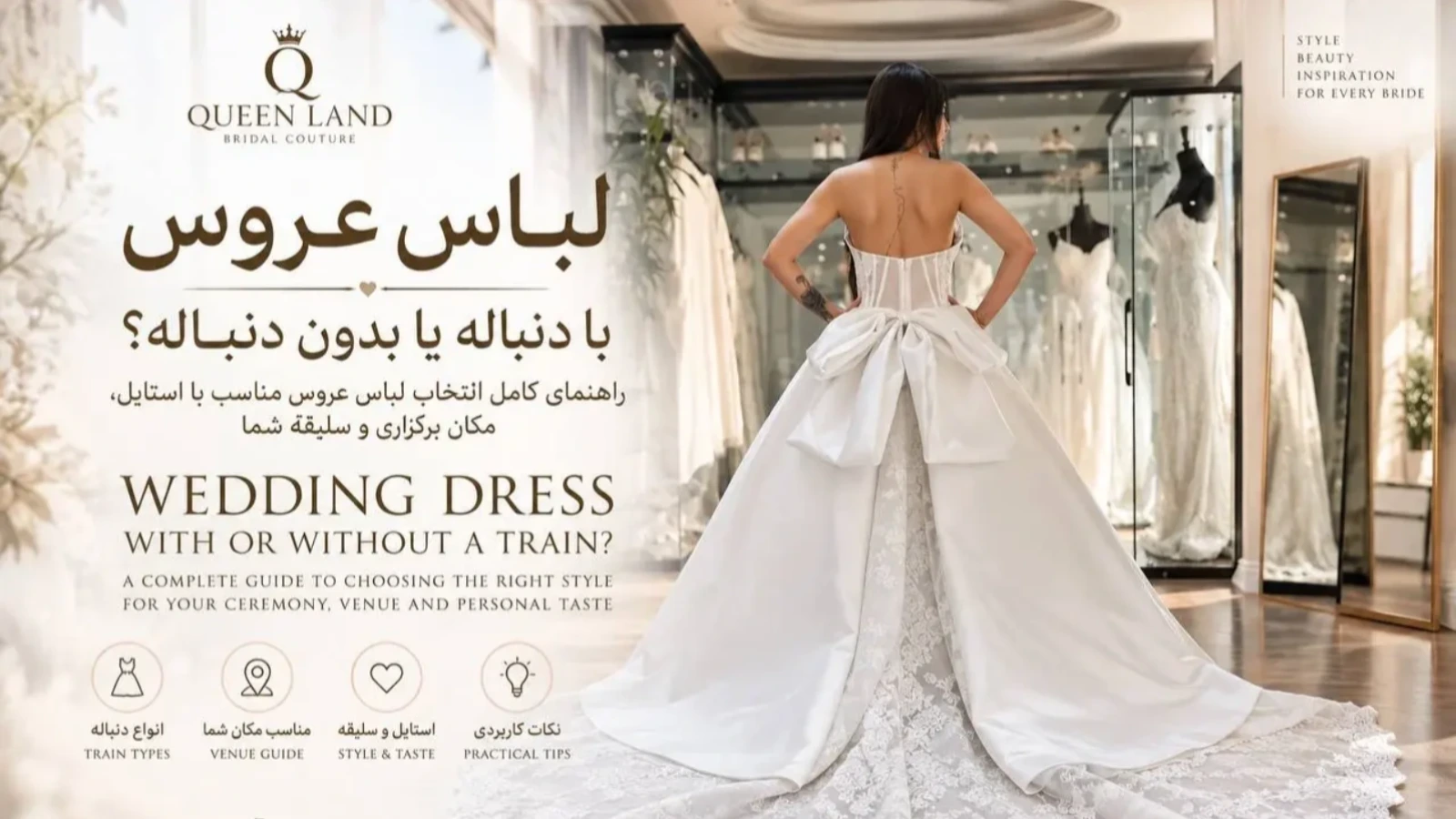
Wedding Dress With or Without a Train?
The train is one of the details that can significantly change the appearance of a wedding dress. Depending on its length, shape, fabric, and construction, it can take a gown from clean and minimalist to dramatic and grand.
However, choosing a train is not simply a matter of deciding whether you want a long or short train. The silhouette of the gown, the venue, the level of formality, ease of movement, photography, and even the way the train will be managed during the reception can all influence the right choice.
In this guide, we will look at the main types of wedding dress trains, the difference between a dress with a train and one without, and the factors you should consider before making your choice.
What Is a Wedding Dress Train?
A train is the additional length of fabric that extends from the back of a wedding gown and trails behind the bride as she walks.
The train may be integrated into the construction of the gown or designed as a separate element. Its length can range from a very subtle extension that barely reaches beyond the hemline to an extremely long train that extends several feet behind the bride.
The train is particularly visible from the back, which is why it should be considered as an important part of the overall design—not simply as an extra piece of fabric.
📷 IMAGE 1 — Types of Wedding Dress Trains
Educational infographic showing:
No Train → Sweep Train → Court Train → Chapel Train → Cathedral Train → Monarch Train
Include approximate lengths with Persian and English labels.
Main Types of Wedding Dress Trains
Wedding dress trains are generally classified according to their length and how far they extend behind the gown.
No Train
A gown without a train ends close to the natural hemline and does not have additional fabric extending significantly behind the bride.
This option creates a clean, modern, and practical appearance. It can work particularly well for intimate ceremonies, contemporary gowns, civil ceremonies, and brides who want greater freedom of movement.
A dress without a train does not necessarily mean that the gown is simple or informal. A highly detailed gown can look equally luxurious without a train.
Sweep or Brush Train
A Sweep Train is one of the shortest train options. It extends only slightly beyond the hemline and gently brushes the floor as the bride walks.
Because of its controlled length, it can create the visual effect of a train without adding the weight and volume associated with longer styles.
It is often suitable for brides who want a subtle extension at the back while maintaining relatively easy movement.
Court Train
A Court Train is slightly longer than a sweep train and extends approximately around one foot behind the gown, although exact measurements can vary depending on the design.
It creates a polished and classic effect without becoming excessively dramatic.
This length can work well when the bride wants a visible train while still maintaining a relatively controlled silhouette.
Chapel Train
The Chapel Train is longer and more noticeable, generally extending approximately 3–4 feet from the waist area.
It creates a more formal bridal appearance and is particularly effective for gowns designed to make an elegant entrance.
A Chapel Train can be paired with different silhouettes, including A-Line, Ball Gown, Mermaid, and other fitted designs.
Semi-Cathedral Train
A Semi-Cathedral Train falls between Chapel and Cathedral lengths.
It provides more drama and visual impact than a Chapel Train while remaining somewhat more controlled than a full Cathedral Train.
This can be an option for brides who want a substantial train for the ceremony and photographs without choosing the most dramatic length.
Cathedral Train
A Cathedral Train is one of the most dramatic traditional train lengths and can extend approximately 6–8 feet from the waist area.
It creates a strong sense of grandeur and formality and is particularly striking in spacious venues, formal ceremonies, and long aisles.
A Cathedral Train can also create dramatic photography from the back, especially when the train is spread carefully across the floor.
However, its length means that movement, venue space, aisle width, and the way the train will be managed after the ceremony should all be considered in advance.
📷 IMAGE 2 — Train Down / Bustled Train
Editorial image showing a long wedding dress train in a formal setting, with a visual comparison between:
Train Down
Bustled Train
Monarch Train
The Monarch Train is an exceptionally long train that can extend approximately 10 feet or more.
It is intended to create a highly dramatic and ceremonial effect and is generally associated with very formal, grand-scale celebrations.
Because of its substantial length and volume, it requires careful consideration of the venue, movement, photography, and practical management throughout the event.
Watteau Train
A Watteau Train differs from traditional trains because it is attached around the shoulders or upper back rather than simply extending from the lower back of the gown.
Its length and shape can vary significantly depending on the design.
This type of train can create a softer, more flowing effect and can become an important visual element of the entire bridal look.
Wedding Dress With a Train or Without One?
There is no universal rule that a wedding dress must have a train.
A gown without a train can be elegant, formal, modern, and highly sophisticated. At the same time, a long train can add drama, movement, and ceremony to a bridal look.
The important question is not whether one option is better, but whether the chosen train works with the gown, ceremony, venue, and bride’s priorities.
Does the Silhouette Determine the Train?
Not necessarily.
A common misconception is that certain silhouettes must always have specific train lengths. In reality, the silhouette and the train are two separate design characteristics.
For example:
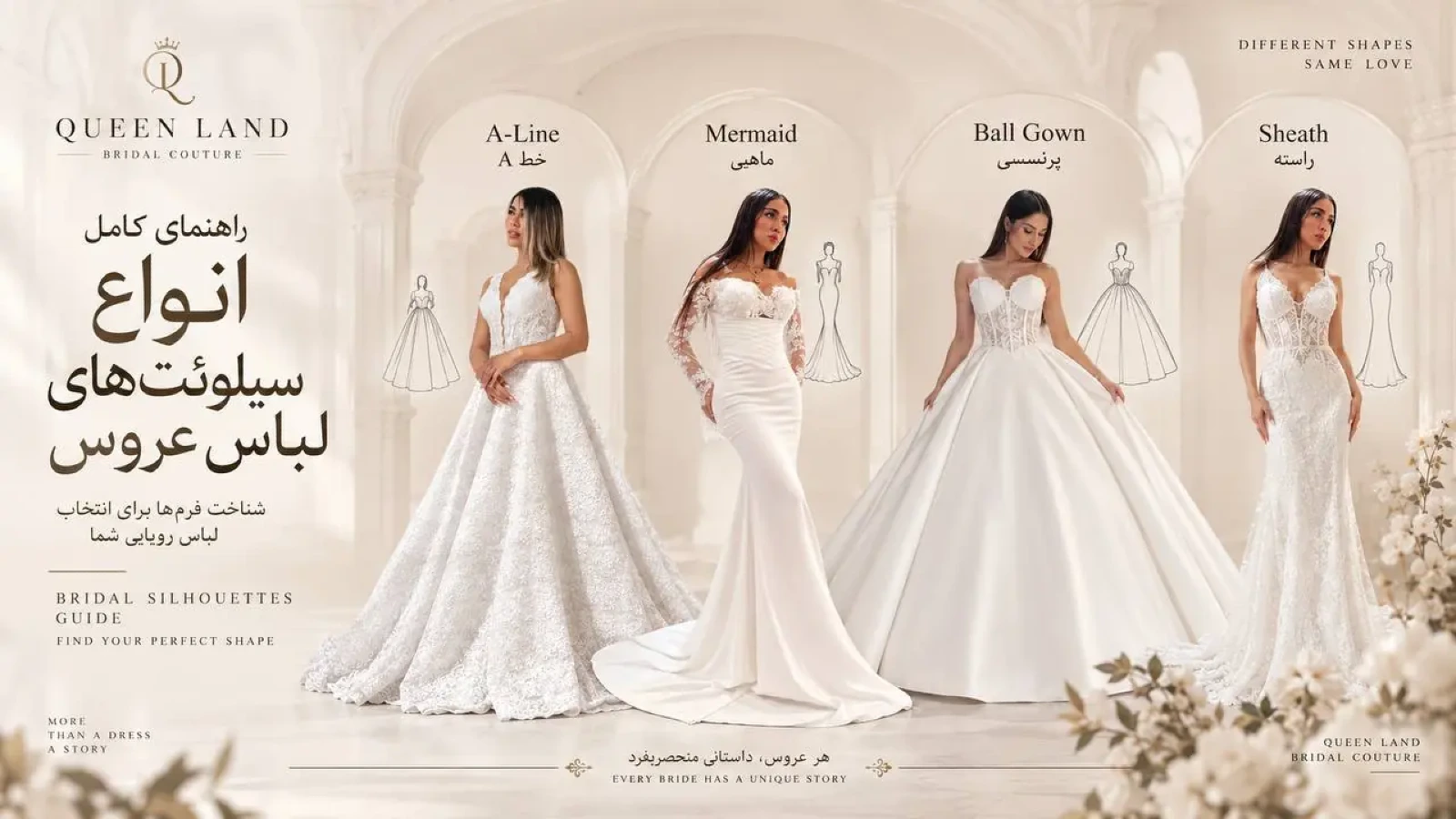
An A-Line gown can have no train, a short train, or a long train.
A Ball Gown can have anything from a subtle train to a dramatic Cathedral Train.
A Mermaid gown can be designed with a short, medium, or long train.
A Sheath gown can also include a train without losing its streamlined appearance.
The final result depends on the combination of silhouette, fabric, construction, and train design.
For more information, see our guide to wedding dress silhouettes: A-Line, Mermaid, Ball Gown, and Sheath.
Does a Princess Wedding Dress Need a Train?
No.
A princess or Ball Gown silhouette does not automatically require a train.
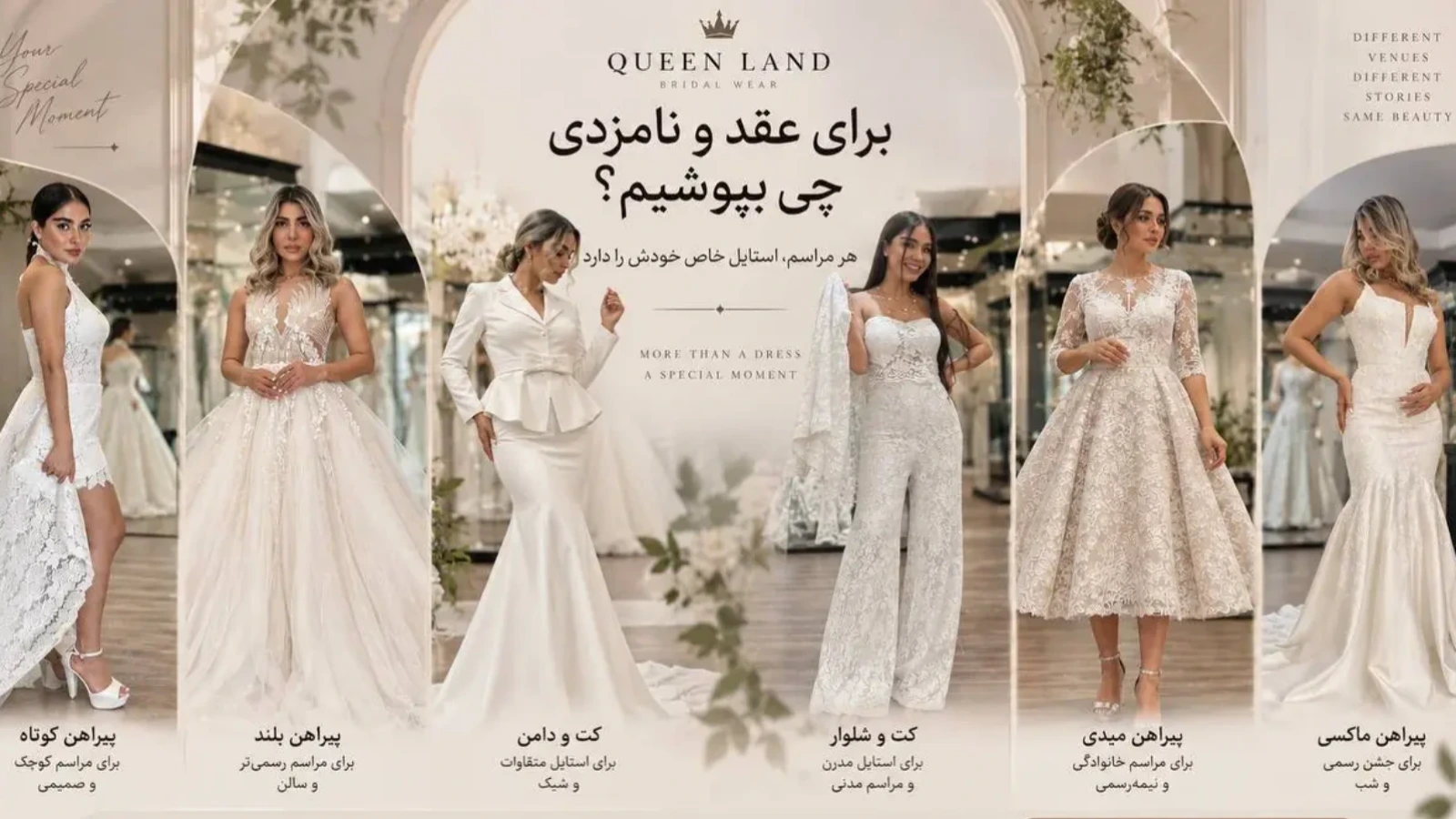
The volume of the skirt already creates a strong visual presence, so a train can either complement that volume or be omitted for a cleaner result.
For a grand and traditional appearance, a longer train can emphasize the scale of the gown. For a more contemporary interpretation, a shorter train or no train may create a cleaner balance.
The decision should be based on the complete design rather than on the silhouette alone.
Choosing a Train Based on the Venue
The venue is one of the practical factors that should be considered before choosing a train.
Large and Formal Venues
Grand halls, churches, ballrooms, and venues with long aisles can accommodate longer trains more easily.
A Chapel or Cathedral Train can create a strong visual effect in these spaces.
Smaller Venues
In a smaller venue, a very long train may require more attention during movement and photography.
A shorter train can provide a more controlled result while still maintaining a formal appearance.
Outdoor Ceremonies
For outdoor ceremonies, the surface of the venue is particularly important.
Grass, gravel, uneven ground, stairs, and narrow pathways can make a very long train more difficult to manage.
This does not mean that outdoor weddings cannot include long trains. It simply means that the practical conditions of the location should be considered before making the final decision.
Comfort and Movement Matter
A train can look spectacular while the gown is stationary, but the bride will also need to walk, sit, move between locations, take photographs, and participate in the celebration.
When choosing a train, consider:
How easily you can walk
Whether you need to use stairs
The size of the aisle
Whether the venue has multiple levels
How much time the train will remain open
Whether the train can be secured after the ceremony
Who will help manage it during the event
The longer and heavier the train, the more important these considerations become.
What Is a Bustle?
A bustle is a system of hidden hooks, buttons, loops, ribbons, or other fastenings used to lift and secure the train after the ceremony.
Instead of removing the train completely, the train is gathered or lifted and attached to the back of the gown, allowing the bride to move more easily.
The appropriate bustle method depends on factors such as:
The silhouette of the gown
The amount of fabric in the train
The weight of the fabric
Embellishments and lace
The construction of the gown
It is also important to practice using the bustle before the wedding day and to make sure that the person who will help the bride knows exactly how it works.
Detachable Trains: One Dress, Two Looks
A detachable train can provide two different versions of the same bridal gown.
The bride can wear the train for the ceremony, entrance, and formal photographs, then remove it later to create a lighter and more practical look for the rest of the celebration.
This option should not be confused with a bustle.
A bustle keeps the train attached to the gown but lifts and secures it.
A detachable train is designed to be removed completely.
📷 IMAGE 3 — One Dress, Two Looks
Show the same Queen Land gown in two states:
With Detachable Train / Overskirt
Without Detachable Train / Overskirt
Fabric and Embellishment of the Train
The appearance of a train depends not only on its length but also on the material used to create it.
Different fabrics can produce very different effects.
Structured fabrics can create a more defined and architectural train, while lightweight fabrics can create softer movement.
Lace, appliqué, embroidery, crystals, and beading can also continue from the bodice and skirt onto the train, creating visual continuity.
For this reason, the train should be considered as part of the overall construction of the gown rather than as an isolated detail.
For more information, see our guide to choosing wedding dress fabrics: satin, Mikado, crepe, tulle, and lace.
What Should You Look at When Choosing a Train?
Before making the final decision, consider the gown from both the front and the back.
Ask yourself:
Does the train complement the silhouette?
Does its length work with the venue?
Can I move comfortably?
Will I need to use stairs?
How will the train look in photographs?
Can it be bustled or removed?
Does the fabric support the desired shape?
Does the amount of detail continue naturally into the train?
The back of the gown is especially important because the train can become one of the most noticeable elements when the bride walks down the aisle or poses for photographs.
Choosing the Train at Queen Land
At Queen Land, the train should be considered as an extension of the gown’s overall design.
The goal is not simply to add a long piece of fabric to the back of a dress. The length, volume, fabric, lace placement, embellishment, and silhouette should work together to create a coherent bridal look.
When choosing between a gown with or without a train, look at the back of the dress as carefully as the front.
A well-designed train can emphasize the architecture of the gown, enhance movement, and create a memorable visual effect without compromising the practicality of the bride’s experience.
Frequently Asked Questions
Does a wedding dress need a train?
No. A wedding dress can be completely elegant and formal without a train. The choice depends on the design, ceremony, venue, and the bride’s preferred level of drama and mobility.
Is a long train suitable for an outdoor wedding?
It can be, but the surface, pathway, weather conditions, stairs, and venue layout should be considered. A controlled train may be easier to manage in some outdoor settings.
What is a Cathedral Train?
A Cathedral Train is a long, dramatic train that typically extends approximately 6–8 feet from the waist area and is commonly associated with formal bridal looks.
Can a Mermaid wedding dress have a train?
Yes. A Mermaid gown can be designed with different train lengths, from subtle to very dramatic.
Can a train be added to a wedding dress?
Depending on the construction of the gown, a train may be integrated into the original design or created as a separate detachable element. The feasibility depends on the pattern, fabric, structure, and overall construction of the gown.
Does a long train make movement difficult?
It can make movement more demanding, particularly when the train is long or heavy. A bustle or another method of securing the train can make movement easier after the ceremony.
Conclusion
There is no single ideal train for every bride.
The right choice is the one that creates the desired visual effect while working with the gown’s silhouette, fabric, venue, ceremony, photography, comfort, and movement requirements.
A dress without a train can be modern and sophisticated. A short train can add subtle elegance. A Chapel or Cathedral Train can create a more formal and dramatic entrance. A detachable train can also provide the flexibility of two different looks in one gown.
Ultimately, the train should not be treated as an isolated detail. It is part of the overall architecture of the wedding dress—and when its length, fabric, construction, and silhouette are carefully balanced, it can become one of the most memorable elements of the bridal look.